Dozens
The careful days leave something behind. The careless ones take something away. And nobody but me can tell which kind of day it was.
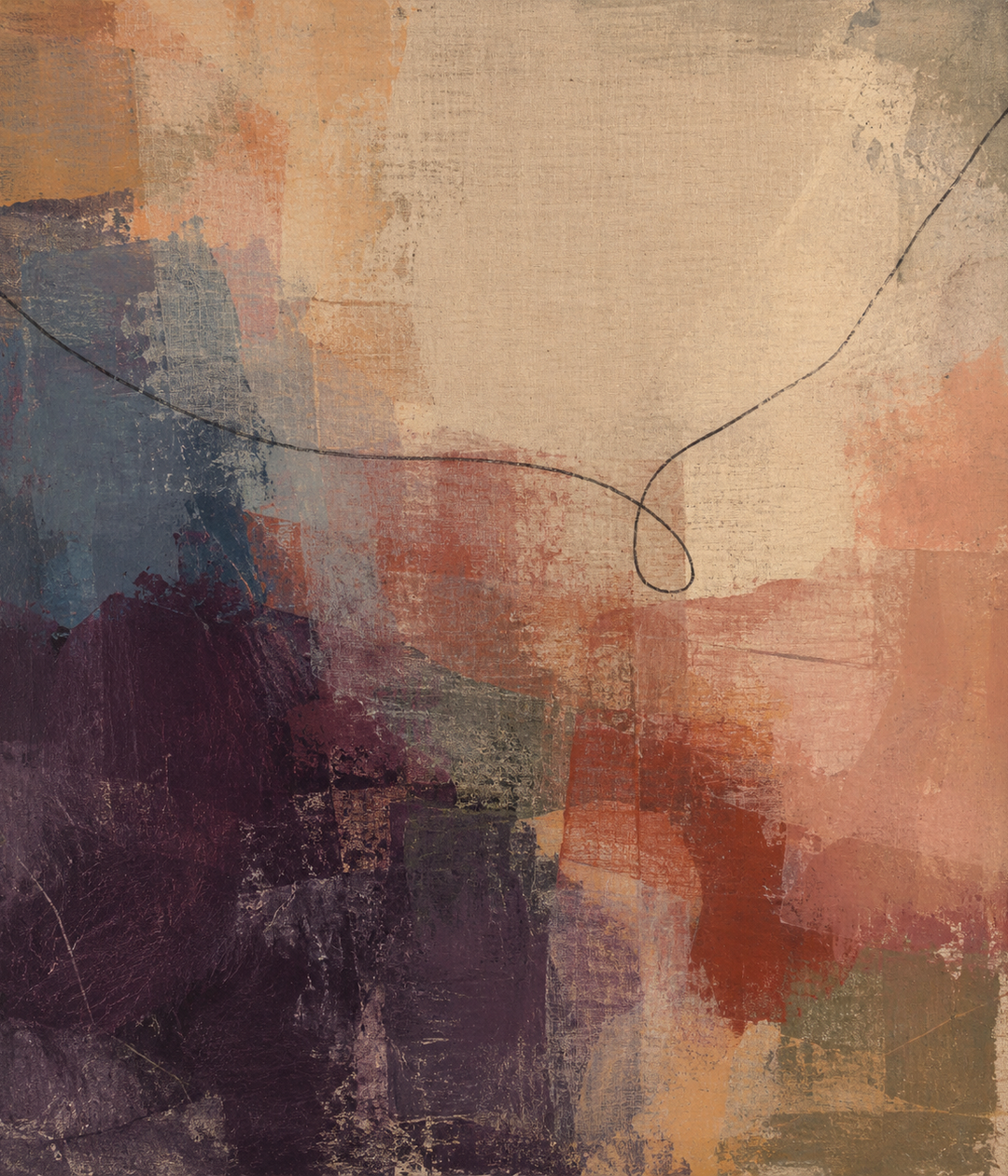
Connecting the dots with pen and ink.

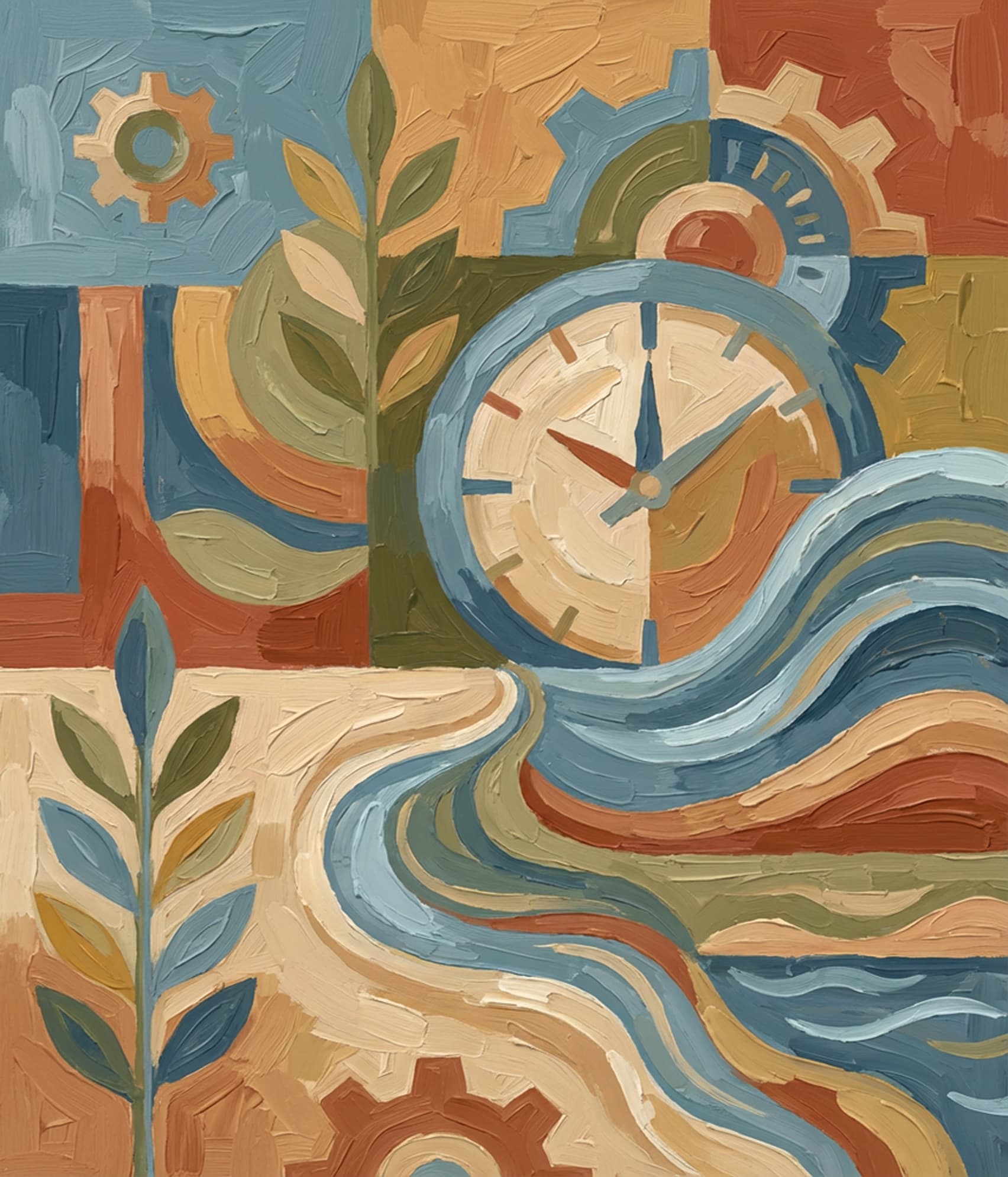
Time doesn't move. You do. The clock is constant — sixty seconds is sixty seconds whether you're watching your daughter learn to walk or watching a loading screen spin. The variable isn't the activity. It's how much of you is in the room.

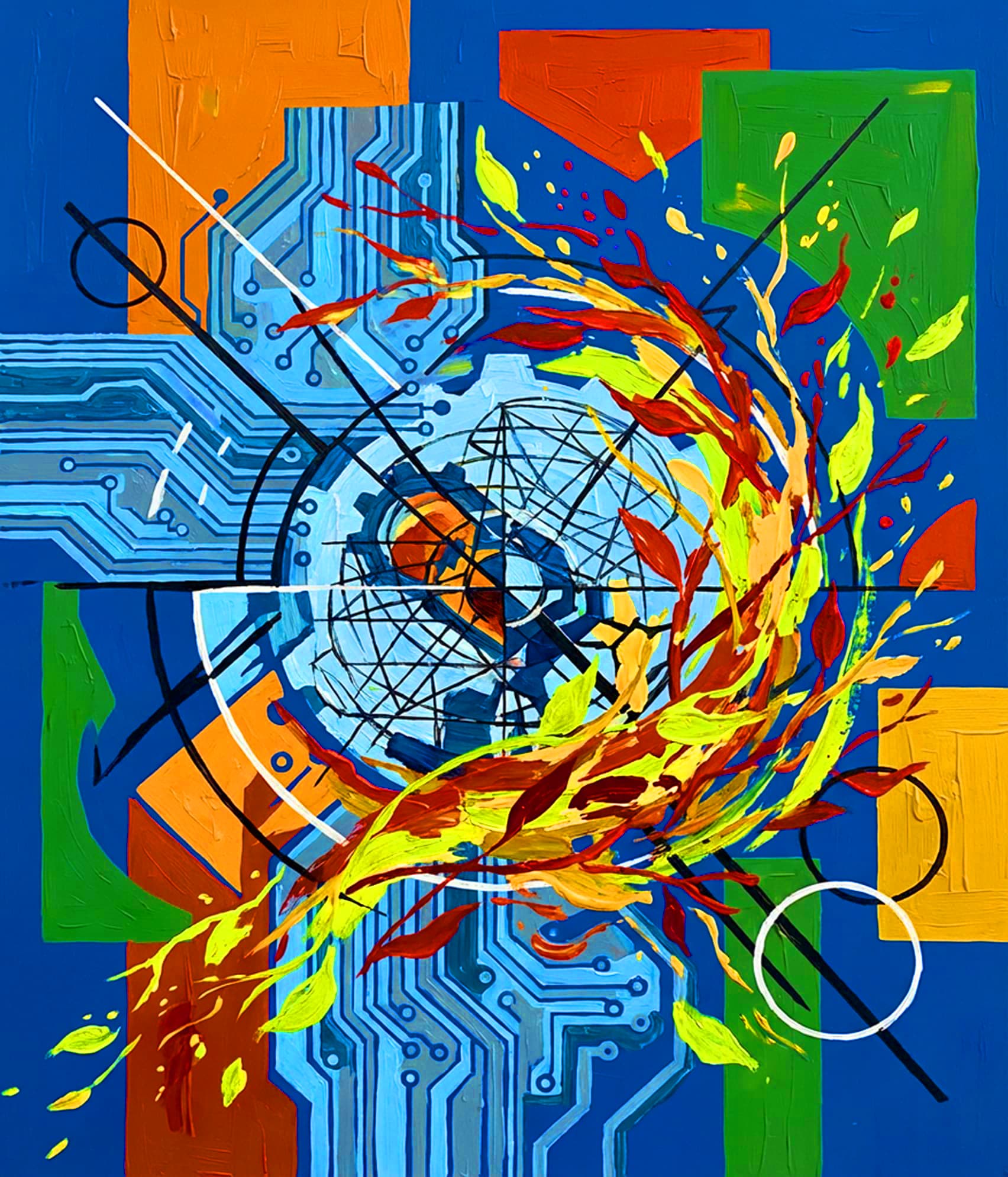
An algorithm knows me better than I know myself. That's not the scary part. The scary part is I've stopped noticing. So I do something unpredictable every day—not to win, but to remember there's still a part of me that surprises even me.

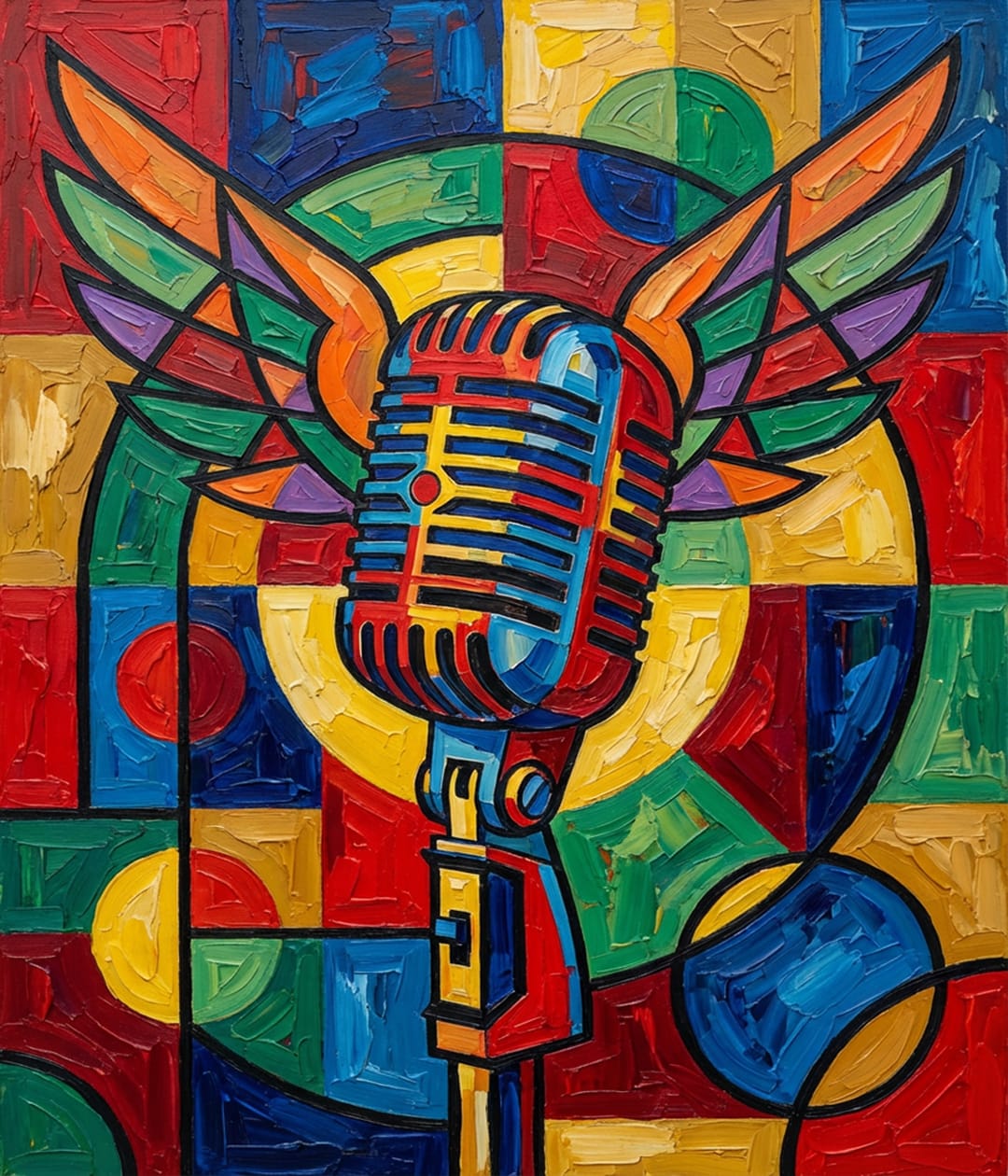
I've been watching chickens lately. Not professionally. Not as a hobby I'd typically admit to at a dinner party. But when you live on a few acres in rural Delaware, you end up observing things you never expected to find interesting. And here's what I’ve noticed: chickens can fly. The wings actually work. I’ve seen a hen launch herself six feet into the air to escape a dog, survival instinct transforming this awkward, earthbound creature into something almost graceful. For a moment, it’s the Wr

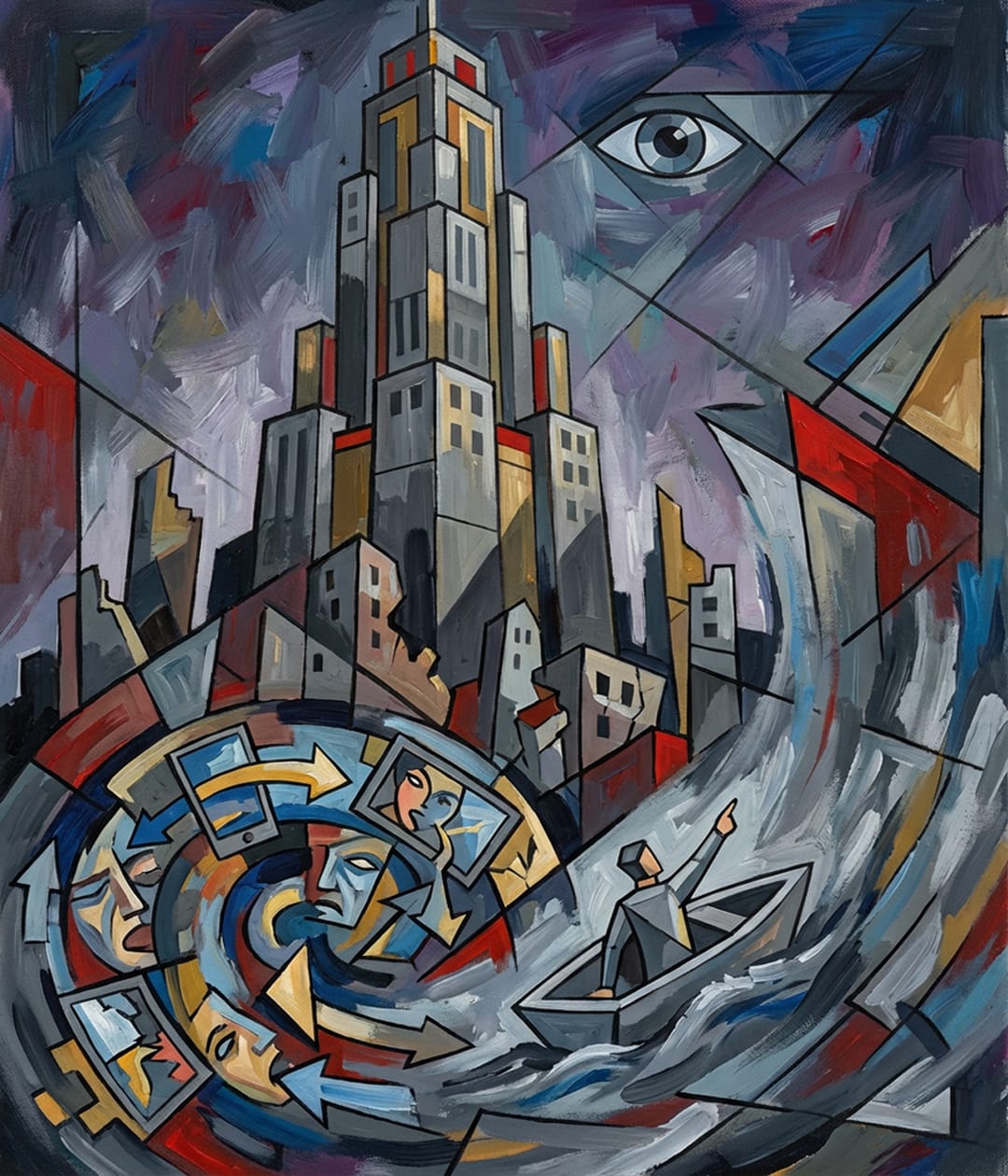
When the gap becomes untenable, they change the subject. Wealth concentrates while we fight over culture wars. Your attention is being sold. Look up. Ask who benefits. The person next to you is navigating the same rising water. See clearly.

There is a Grottos Pizza somewhere in my memory that exists outside of time. The booth changed depending on the crowd. Sometimes it was just the three of us, since my siblings are much older. Sometimes my grandparents joined, and the table would stretch longer.

There is no preparing for the weight of it. You can know it's coming, watch it approach like weather on the horizon, and still be stunned when it finally arrives. Grief doesn't knock. It enters like it owns the place.

There's a peculiar paradox at the heart of human nature. We spend our lives constructing reality—careers, relationships, identities—only to invest equal energy trying to exit it. Every July, hundreds of thousands descend on San Diego for Comic-Con, transforming into characters who never existed.

I started my first business at thirteen—a lawncare company that helped pay for college. Studied Foreign Policy, ran political campaigns, then spent years teaching middle school because I wanted to understand how people actually learn and change.

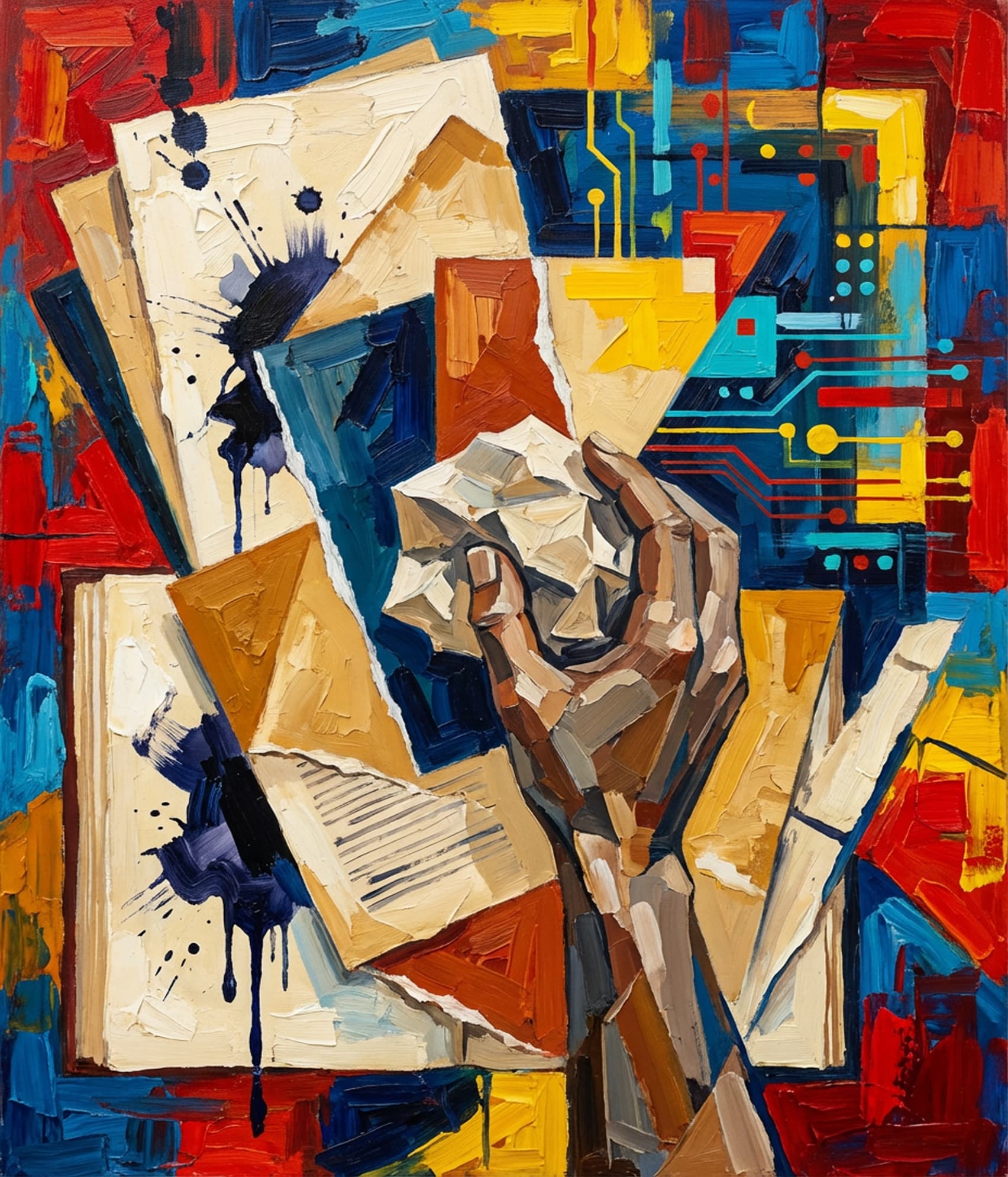
The pen leaked. I kept writing anyway. We're building a world that removes all friction, but friction is how you know something costs something. The future needs both: digital reach and physical depth, AI efficiency and human touch. Progress isn't eliminating friction—it's choosing the right kind.

We live in a culture mesmerized by the zenith. Our narratives, economic incentives, and personal aspirations are overwhelmingly oriented toward the ceiling—the peak performance, the exponential return, the flawless execution.

The greatest breakthroughs happen at the intersections of disciplines—here's why we must engineer serendipity and become boundary-crossers to solve humanity's most complex challenges.

A builder's reflection on turning thirty-six and learning that the force of will that built his empire is giving way to a more sustainable power: the ability to read currents and flow with them instead of fighting through every obstacle.

We've been playing the wrong game. For decades, I chased what I was taught to chase—the metrics, the milestones, the mountain peaks of achievement. Built successful businesses. Hit the numbers. Checked the boxes.
Get the latest podcast episodes and articles in your email.